
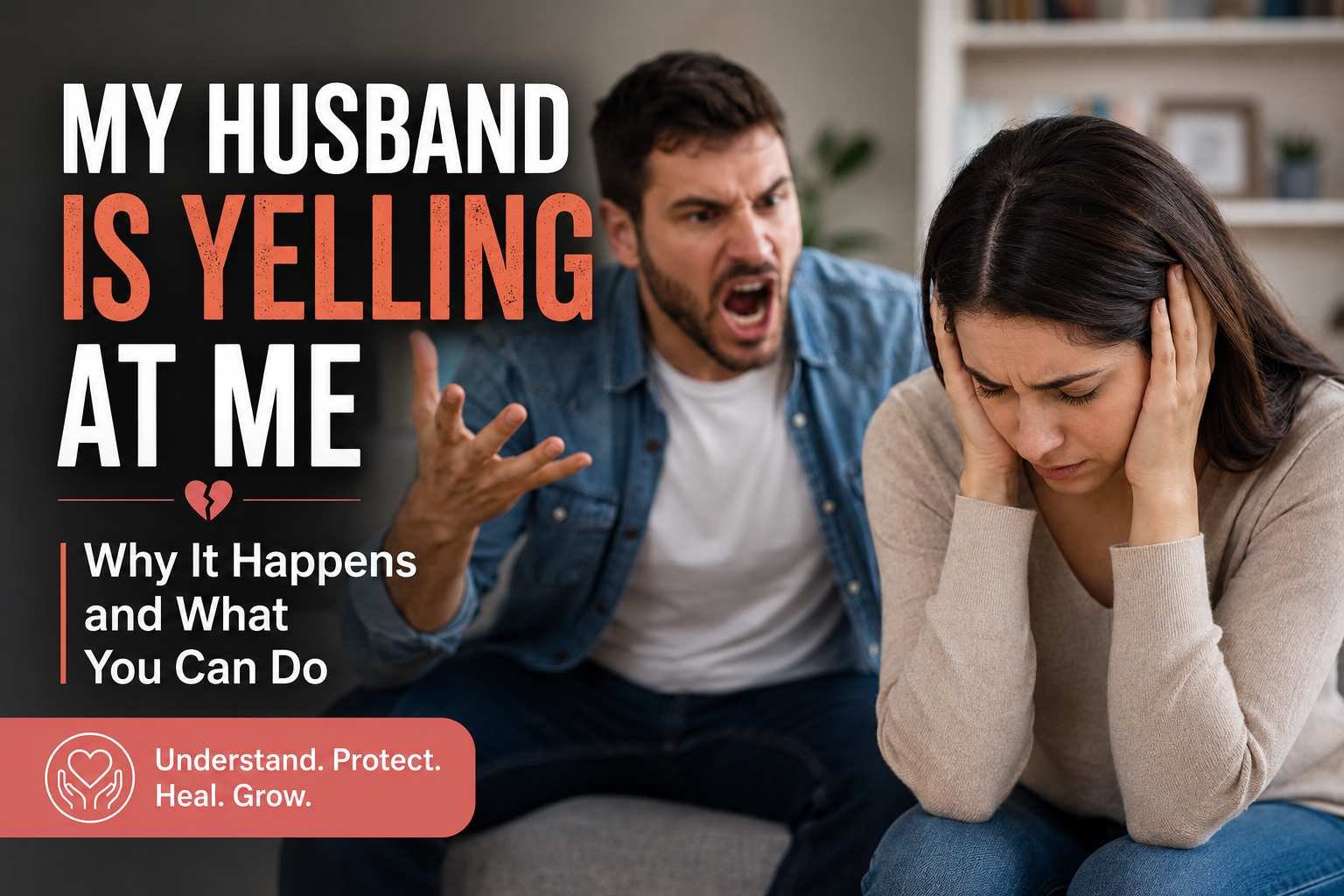
If you keep thinking, “my husband is yelling at me,” you may be feeling hurt, confused, angry, or even afraid. Being yelled at by someone you love can make you question yourself and wonder what caused the argument. While disagreements are normal in marriage, repeated shouting is not a healthy way to communicate. Understanding why the yelling happens, recognizing harmful patterns, and learning how to respond can help you protect your emotional well-being and decide what needs to change.
Yelling often stems from stress, frustration, poor communication skills, unresolved resentment, or difficulty managing emotions. However, understanding the reason does not mean you have to accept the behavior. Healthy relationships require both partners to communicate with respect, even when they disagree. The Gottman Institute similarly notes that consistent yelling is not communication and can create fear, resentment, and disrespect within a relationship.
Why Is My Husband Yelling at Me?
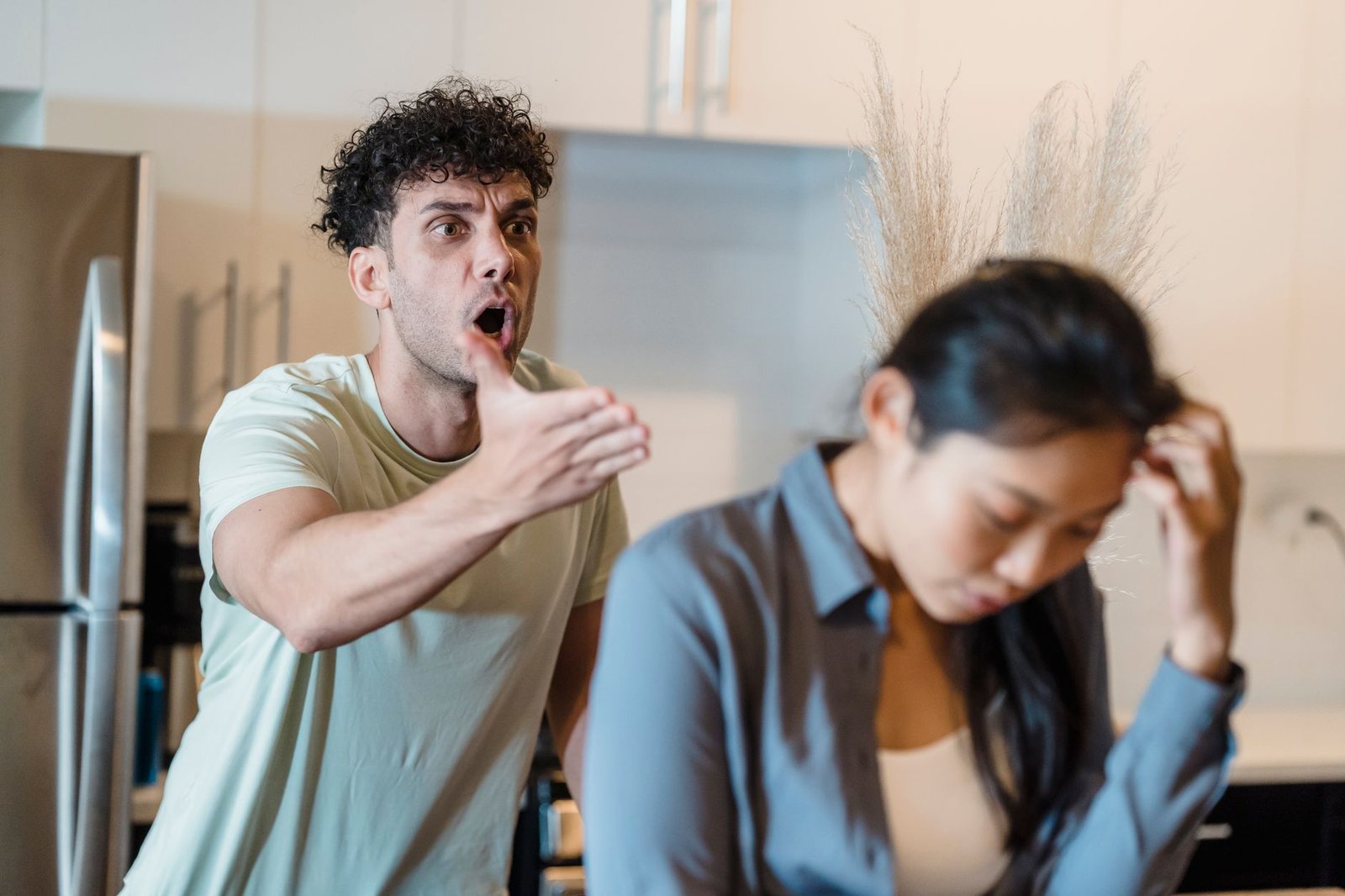
When you find yourself saying, “my husband is yelling at me,” your first reaction might be to ask, “What did I do wrong?” However, his behavior is ultimately his own responsibility. While there may be underlying reasons behind his anger, those reasons do not justify shouting, insults, intimidation, or threats.
1. He Is Under Significant Stress
Work problems, financial pressure, parenting responsibilities, lack of sleep, or other personal difficulties can make someone more emotionally reactive. Stress can build throughout the day and burst out during a relatively small disagreement at home. While this explains the reaction, it does not make yelling acceptable. A healthier response is for your husband to recognize he is overwhelmed and ask for time to calm down rather than directing his frustration at you.
2. He Has Difficulty Managing Anger
Some people never learn healthy ways to express anger. They may have grown up in families where shouting was common or where the loudest person usually won the argument. If yelling was normalized during his childhood, he may consider raising his voice a natural part of conflict. That does not mean he cannot change; with awareness, practice, and professional support, people can learn healthier conflict-management skills.
3. There Is Built-Up Resentment
Unresolved problems can accumulate over time. If you have argued repeatedly about money, household responsibilities, intimacy, parenting, or family boundaries, those issues can fester. When underlying problems are never properly resolved, frustration builds until even a minor disagreement triggers a explosive reaction. Instead of focusing only on the latest argument, try to identify the recurring issue underneath it.
4. He Feels Unheard or Frustrated
People sometimes become louder when they believe their concerns are being ignored. Your husband may feel that he has repeatedly explained something without being understood. While that feeling can be genuine, there is an important distinction between feeling unheard and using that as permission to yell. You can listen to someone’s concerns while still maintaining a strict boundary about how those concerns are communicated.
5. He Has Learned an Unhealthy Conflict Pattern
Couples often fall into toxic communication cycles. One partner becomes frustrated and raises their voice, prompting the other to become defensive. The first person then becomes even more frustrated and yells louder. Eventually, both partners expect every disagreement to turn into a fight. Breaking this cycle requires changing the pattern rather than trying to prove who is right.
6. He Uses Anger to Avoid Vulnerability
Anger is often an easier emotion to express than sadness, fear, disappointment, embarrassment, or insecurity. For example, someone who feels rejected may express anger instead of admitting they feel hurt, or someone worried about finances may become irritable rather than admitting they are scared. Understanding the emotion underneath the anger is helpful, but it should never become an excuse for mistreating a partner.
Is Yelling Normal in Marriage?

Arguments are a normal part of marriage. Couples will naturally disagree, become frustrated, or occasionally speak more loudly than intended. However, there is a distinct difference between an occasional loss of composure followed by genuine accountability and a repeated, chronic pattern of shouting.
A healthy relationship allows both partners to express disagreement without fear or intimidation. If “my husband is yelling at me” regularly—especially when you try to express your feelings or disagree with him—the issue deserves serious attention.
Questions to Evaluate Your Situation
To distinguish a typical argument from a concerning pattern, consider asking yourself:
- Frequency and Accountability:
- How often does he yell?
- Does he genuinely apologize afterward?
- Does he take responsibility without blaming you?
- Does his behavior actually change over time?
- Safety and Respect:
- Does he call you names or insult you?
- Does he threaten you or throw things?
- Do you feel afraid when he becomes angry?
- Do you constantly change your behavior to avoid making him angry?
- Do you feel like you are always walking on eggshells at home?
When Does Yelling Become Emotional Abuse?
Not every raised voice automatically constitutes abuse; context, frequency, intention, and overall relationship dynamics matter. However, yelling becomes emotionally abusive when it is used to frighten, humiliate, control, or silence you.
Key Warning Signs
- Insults and Name-Calling: If disagreements regularly involve words designed to humiliate or degrade you, the problem goes beyond standard marital conflict.
- Threats: Threatening you, your children, your pets, your finances, or your physical safety should never be dismissed as mere “anger.”
- Intimidation: Slamming doors, punching walls, breaking possessions, standing over you aggressively, blocking exits, or using physical presence to frighten you creates an unsafe environment.
- Controlling Behavior: Yelling may be part of a larger pattern involving control over your money, friendships, phone, clothing, transportation, or daily activities.
- Blame-Shifting: There is a vast difference between saying, “I was frustrated by what happened,” and saying, “You made me yell, so this is your fault.”
You are responsible for your actions, and your husband is responsible for his. If shouting is accompanied by intimidation, threats, or controlling behavior, prioritize your safety rather than trying to solve the argument in the moment.
What to Do When Your Husband Starts Yelling

When your husband starts shouting, your natural instinct may be to defend yourself or yell back. While that reaction is understandable, matching his volume almost always escalates the situation.
          [ De-escalation Strategy ]
                     │
 ┌───────────────────┼───────────────────┐
 ▼                   ▼                   ▼
Stay Calm       Set Boundary        Take a Break
(Lower tone)  ("I won't yell")   (Pause conversation)
1. Stay as Calm as Possible
You do not have to prove your point while emotions are high. Speak slowly and quietly, and avoid insults or sarcasm. Your goal in the moment is not to win the argument—it is to prevent the situation from escalating.
2. Set a Clear Boundary
A boundary clearly communicates what you will do when an unhealthy behavior occurs.
“I want to talk about this, but I will not continue this conversation while you are yelling at me.”
3. Take a Strategic Break
If both of you are overwhelmed, continuing the conversation will accomplish nothing. The Gottman Institute recommends taking a pause when emotional “flooding” makes productive communication impossible.
“I want to resolve this, but I need some time to calm down. Let’s talk again in 30 minutes when we’re both ready.”
4. Avoid Trying to Solve Everything at Once
You do not have to resolve every disagreement during the initial conversation. Sometimes the most productive choice is to pause and revisit the topic when tempers have cooled.
5. Create Physical Distance
If the argument becomes frightening, create physical distance immediately. If your husband is threatening you, blocking your movement, destroying property, or becoming physically aggressive, this is no longer a communication issue—it is a safety issue. Your safety must always come first.
How to Handle the Aftermath

What to Say After He Has Calmed Down
Once the situation is calm, address the behavior rather than restarting the original argument.
| Instead of Saying… | Try Saying… |
| “You always act like a horrible husband when you’re mad.” | “When you raised your voice at me earlier, I felt hurt and shut down. We need to find a healthier way to handle disagreements.” |
| “You need to stop controlling me.” | “I am willing to discuss difficult subjects with you, but I need us to speak respectfully. If either of us gets too angry, we need to take a break.” |
What If He Says, “You Made Me Yell”?
If he claims his behavior happened because you made him angry, remember the difference between influence and responsibility. Your words or actions might trigger an argument, but adults are entirely in charge of how they react. Someone can be angry without shouting, upset without being mean, and disagree without threatening. Taking responsibility for your mistakes does not mean accepting responsibility for his choice to yell.
What If He Apologizes After Yelling?
An apology is meaningful only if it is backed by action. A real apology includes taking full responsibility and taking concrete steps to change.
Healthy Apology Example:“I shouldn’t have yelled at you. I was angry, but that wasn’t an acceptable way to talk to you. Next time, I will take a break instead of shouting.”
An apology that is repeatedly followed by more yelling without actual effort to change is just manipulation. Watch the pattern over time, not just the words said immediately after a fight.
The Long-Term Impact of Repeated Yelling

Living in a high-conflict environment changes the emotional climate of a home. Over time, constant shouting can cause severe emotional distress, leading you to:
- Avoid conversations and suppress your true feelings.
- Feel nervous or anxious about bringing up daily problems.
- Walk on eggshells to avoid triggering his mood.
- Lose self-confidence and question your self-worth.
- Feel isolated and lonely, even within your marriage.
A relationship cannot thrive or grow if one partner feels unsafe speaking honestly.
Should You Try Couples Counseling?
Couples counseling can be highly effective when both partners are honest, accountable, and committed to improving their communication. A therapist can help identify negative interaction cycles, uncover deeper issues, and teach actionable conflict-resolution skills.
When Counseling Is NOT the Right First Step
Couples counseling is not recommended as a first step if there is physical violence, extreme control, severe intimidation, or active fear in the home. In cases of domestic abuse, joint counseling can sometimes be weaponized against the victim. In these situations, your primary focus should be on individual support and personal safety planning.
Actionable Tips to Encourage Better Communication
If your husband acknowledges that his yelling is a problem, both of you can work together to build healthier habits:
- Agree on a “Timeout” Rule: Establish a mutual agreement that either person can call a 20-minute break when voices are raised, no questions asked.
- Avoid Personal Attacks: Focus strictly on the issue, not the character of your partner (e.g., say “I feel overwhelmed when I handle household chores alone” instead of “You are lazy”).
- Practice Active Listening: Ensure each person gets to speak without interruption before responding.
- Choose the Right Time for Difficult Conversations: Avoid bringing up sensitive topics when either person is exhausted, stressed, or hungry.
- Focus on Solutions Over Blame: Frame problems as “How can we solve this together?” rather than “Whose fault is this?”
What If the Yelling Escalates?
If your husband yells frequently or the intensity of his anger keeps increasing, do not ignore the warning signs. A progression from shouting to personal insults, threats, breaking objects, or physical intimidation is a serious escalation.
Do not wait for a situation to become physically dangerous before taking action. If you feel unsafe, confide in a trusted friend, family member, or professional, and create a safety plan.
Need Help?
In the United States, you can contact the National Domestic Violence Hotline by calling 1-800-799-SAFE (7233) or texting “START” to 88788 for free, confidential, 24/7 support. If you are in immediate danger, call your local emergency services (911).
Frequently Asked Questions
Why does my husband yell at me over small things?
Small problems often trigger large reactions when someone is already dealing with chronic stress, fatigue, unresolved resentment, or poor anger management. The minor issue usually isn’t the root cause, but stress never excuses repeated yelling.
Should I yell back when my husband yells at me?
No. Yelling back almost always escalates the conflict and keeps the cycle going. Staying calm, stating your boundary clearly, and walking away to take a break is far more effective and safe.
Is it normal to cry when my husband yells at me?
Yes. Crying is a natural physical reaction to stress, fear, frustration, and feeling overwhelmed. You should never feel ashamed for crying during or after an intense confrontation.
What should I do if he yells and then acts like nothing happened?
Do not pretend everything is fine just to keep the peace. Once things are quiet, calmly bring up the incident, explain how his yelling affected you, and establish what needs to happen next time. If he consistently sweeps his behavior under the rug, consider professional guidance.
How can I stop my husband from yelling at me?
You cannot directly control another adult’s behavior; you can only control your response. You can stop participating in yelled arguments, enforce firm boundaries, enforce timeouts, and recommend therapy. Ultimately, he must choose to change his own behavior.
Is yelling always considered emotional abuse?
Not always. A rare, isolated loss of temper followed by genuine remorse and accountability is human error, not abuse. However, if yelling is chronic, intentional, or combined with insults, intimidation, threats, or control, it falls into the category of emotional abuse.
Should I leave if my husband constantly yells at me?
Every relationship is different. If you feel unsafe, threatened, controlled, or abused, your primary focus should be on your physical and emotional safety. If abuse is absent and both partners are genuinely committed to changing communication patterns, the marriage may be repairable through therapy.
Can a marriage recover from chronic yelling?
Yes, but only if both partners acknowledge the harm caused, take full accountability, and consistently practice new, respectful communication habits over time.
Conclusion
When you constantly find yourself thinking, “my husband is yelling at me,” it is crucial to listen to your instincts and protect your emotional well-being. Disagreements happen in every marriage, but chronic shouting, personal insults, intimidation, and threats should never be normalized.
While understanding why your husband yells—whether due to stress, unresolved resentment, or poor emotional regulation—can provide context, an explanation is never an excuse. Every adult is responsible for how they express their anger. Protect yourself by staying calm, enforcing firm boundaries, and taking timeouts when arguments turn hostile. If he is genuinely willing to change, professional couples counseling can help break the cycle.
Above all, pay close attention to how you feel in your own home. If you live in fear, constantly walk on eggshells, or feel unsafe, recognize that this goes beyond standard marital friction. You deserve a relationship where you can speak openheartedly, disagree safely, and be treated with respect.