

Learning how to say sorry in a relationship is very important. All relationships have disagreements and hurt feelings. How you handle these situations can make or break your relationship. Saying sorry is not just about saying the words; it is about being honest, taking responsibility, and showing that you care.
When you say sorry just to end a fight, it does not sound real. When you say sorry because you really mean it, it can help fix things and bring you closer together. Whether you forgot something, said something hurtful, or did something wrong, saying sorry can make a big difference. The goal is not just to make your partner stop being upset—the goal is to show that you understand that you hurt them and that you want to make things right.
Why Saying Sorry Matters in a Relationship
Relationships are built on trust. When you hurt your partner, that trust can be broken. Even small disagreements can become big problems if you do not say sorry. Saying sorry shows that you know what you did was wrong, that you understand how it affected your partner, and that you are willing to learn from your mistake.
Saying sorry also makes your partner feel safe. They know that they can talk to you about problems without being ignored or dismissed. However, saying sorry does not automatically fix everything. If you have hurt your partner badly, it may take time to fix things. Saying sorry is the first step, but you also need to show that you can change.
Understand What You Did Wrong
Before you say sorry, you need to understand what you did wrong. Do not just say sorry because you want the fight to end. Take time to think about what happened.
Ask yourself questions like:
- What did I do?
- What did I say?
- How did my partner feel?
- Was I disrespectful or careless?
- Did I break a promise?
- Did I fail to listen?
It is important to think about these questions because saying sorry without knowing what you did wrong does not sound real. Instead of saying “Sorry for everything,” say “Sorry that I did not listen to you when you were trying to talk to me.”
Take Responsibility Without Making Excuses

Saying sorry is about taking responsibility for what you did. Do not make excuses for your behavior. You may have had reasons for doing what you did, but that does not make it okay.
Do not say things like:
- “I’m sorry, but you also did something wrong.”
- “I only did that because you made me angry.”
- “I’m sorry you feel that way.”
- “You misunderstood me.”
These statements make it sound like you are not really sorry. Instead, say something like:
- “I was frustrated, but that does not excuse my behavior. I should have talked to you about how I felt instead of yelling at you.”
This shows that you are taking full responsibility for your actions.
Show That You Care About Your Partner’s Feelings
Saying sorry is about showing that you care about your partner’s feelings. Try to understand how they felt and show that you are genuinely sorry for hurting them.
You might say:
- “I understand why you felt hurt when I did not include you in my plans. I can see now that it made you feel like I did not care about you.”
This does not mean you have to agree with everything your partner says. It means you are willing to listen and understand their perspective.
Choose the Right Time to Say Sorry
The timing of your apology can make a huge difference. If your partner is very upset, it may not be the right time to talk. Give them space if they need it, but do not use that as an excuse to avoid talking about the problem entirely.
You might say:
- “I know you are upset, and I do not want to make things worse. I want to talk about what happened and say sorry. When you are ready, I would like to listen.”
This shows that you respect your partner’s feelings and are not trying to avoid the problem.
Be Specific About What You Are Sorry For

When you say sorry, be specific about what you are sorry for. Do not just say “I’m sorry” without explaining what you did wrong.
Compare these two statements:
- “I’m sorry for what happened.”
- “I’m sorry that I yelled at you and did not listen to you. You did not deserve that.”
The second statement is much clearer and shows that you truly understand what you did wrong.
A good way to say sorry is to use this formula:
I’m sorry for [what I did]. I understand that it made you feel [how you made them feel]. It was wrong because [why it was wrong]. Next time, I will [what you will do differently].
For example:
- “I’m sorry that I canceled our plans without talking to you. I understand that it made you feel like I did not care about you. I was being selfish. I should have talked to you before making changes to our plans. Next time, I will make sure to talk to you before doing anything that affects us both.”
This shows that you are taking responsibility for your actions and are willing to change.
Do Not Use the Word “But”
When you say sorry, try not to use the word “but.” It can make it sound like you are making excuses or deflecting blame.
Instead of saying:
- “I’m sorry I yelled at you, but you were pushing me.”
Say:
- “I’m sorry I yelled at you. I was frustrated, but I should have handled my frustration differently.”
This shows that you are taking responsibility for your actions and are not making excuses.
Do Not Expect Your Partner to Forgive You Right Away
When you say sorry, do not expect your partner to forgive you right away. They may need time to process their emotions.
Do not say things like:
- “I said sorry, so why are you still upset?”
Instead, say:
- “I understand that my apology does not fix everything right away. Take the time you need. I want you to know that I really regret what I did.”
This shows that you are patient and understand that your partner needs time to heal.
Listen to Your Partner Without Interrupting

Saying sorry is not just about talking; it is also about listening. When your partner wants to talk about how you hurt them, give them space to speak.
Do not get defensive. Simply show that you understand how they feel.
You can say things like:
- “I understand.”
- “I did not realize you felt that way.”
- “Thank you for telling me.”
- “I can see why that hurt you.”
This shows that you are willing to listen and understand your partner’s perspective.
Explain What You Will Do Differently Next Time
When you say sorry, it is important to explain what you will do differently next time. This shows that you are willing to change and learn from your mistakes.
Think about what you can do next time. If you often interrupt your partner, make a commitment to listen before you respond. Your partner needs to see that you are truly sorry, and that means backing up your words with actions.
Show Your Partner That You Are Sorry Through Your Actions
What you do is more important than what you say.
- If you say you are sorry for being unreliable, you need to become more dependable.
- If you say you are sorry for not listening, you need to make an effort to really listen.
- If you say you are sorry for being distant, you need to start opening up and sharing your feelings.
- If you say you are sorry for hurting your partner’s feelings, you need to be kinder and more thoughtful in the way you speak.
This is one of the most important things to learn about saying sorry in a relationship: you have to follow up your words with actions. Saying sorry once can address one problem, but changing your behavior over time can fix deep-rooted issues and make your relationship much stronger.
Know When Writing a Message Might Help
Some people are better at writing down their feelings than talking about them. If you are one of those people, writing a message or a letter can be a helpful way to say sorry. It gives you time to think about what you want to say and make sure you say it in a way that is respectful and sincere.
However, do not use writing just to avoid talking to your partner about important things in person.
A written sorry message might say something like:
“I have been thinking about what happened. I realize I did not handle it well. I am sorry for the way I spoke to you. I know my words hurt you. I do not want to treat you that way. I care about you, and I want to work on responding differently when I am frustrated.”
This message is short and to the point. It shows that you are taking responsibility for your actions and that you want to change.
Do Not Turn Saying Sorry Into a Competition
Sometimes couples get into a pattern where they try to prove that the other person was more wrong. This can turn saying sorry into a competition, where each person tries to win the argument.
That is not what saying sorry is about. Saying sorry is about taking responsibility for your actions and making things right. If you made a mistake, you need to own up to it and apologize. Your partner can do the same for their mistakes.
Healthy relationships are not about winning or losing; they are about working together and finding solutions to problems.
When Saying Sorry Is Not Enough
There are times when saying sorry is not enough to fix a problem. If someone has lied, broken promises, or hurt their partner’s feelings repeatedly, it will take more than just saying sorry to fix things. In these cases, it will take time and effort to rebuild trust.
You may need to:
- Admit what you did was wrong.
- Stop repeating the behavior.
- Be honest and completely open with your partner.
- Respect your partner’s boundaries.
- Give your partner time to heal.
- Show your partner that you are reliable and trustworthy.
- Consider getting help from a professional if you need it.
Saying sorry is only the first step in making things right. It takes time and consistent effort to rebuild trust and make a relationship strong again.
Common Mistakes to Avoid When Saying Sorry

When you are learning how to say sorry in a relationship, there are several mistakes you should try to avoid:
- Saying Sorry to End the Argument: If you only say sorry because you want to end the argument, your partner may not believe that you are truly sorry.
- Using a Conditional Sorry: Saying something like “I’m sorry if I hurt you” makes it sound like you are not really taking responsibility for your actions.
- Blaming Your Partner: Saying sorry should not be about pointing fingers or blaming your partner for what happened.
- Making Excuses: Explaining away why you did what you did can make your apology sound insincere.
- Demanding Forgiveness: You should never demand that your partner forgive you immediately.
- Repeating the Same Behavior: If you say sorry for something and then do it again, it damages trust even further.
- Bringing Up Old Mistakes: Focus on the present issue instead of bringing up past mistakes unless it is strictly necessary.
A Simple Way to Say Sorry
If you are not sure how to say sorry, try using this straightforward 5-step approach:
- Admit what you did was wrong: “I realize that I hurt you when I…”
- Take responsibility: “That was my mistake. I should have handled it differently.”
- Show that you understand how your partner feels: “I understand why you felt that way.”
- Say sorry: “I am truly sorry.”
- Commit to changing: “Going forward, I will…”
For example:
“I realize that I hurt you when I dismissed your concerns. That was my mistake. I should have listened instead of getting defensive. I understand why you felt ignored and unimportant. I am truly sorry. Going forward, I will listen fully before responding and make sure I understand what you are trying to tell me.”
This approach is simple yet powerful because it shows that you are taking responsibility, understanding your partner’s feelings, and committing to real change.
How to Rebuild Trust After Saying Sorry
If you have damaged your partner’s trust, it may take time to rebuild it. Trust is built when you are consistent and reliable in your actions over time.
You need to keep your promises, communicate honestly, and respect your partner’s boundaries. Do not expect your partner to forget what happened right away. It may take time for them to feel safe again, but if you are consistent and patient, you can successfully rebuild that trust.
How to Say Sorry Without Losing Your Self-Respect
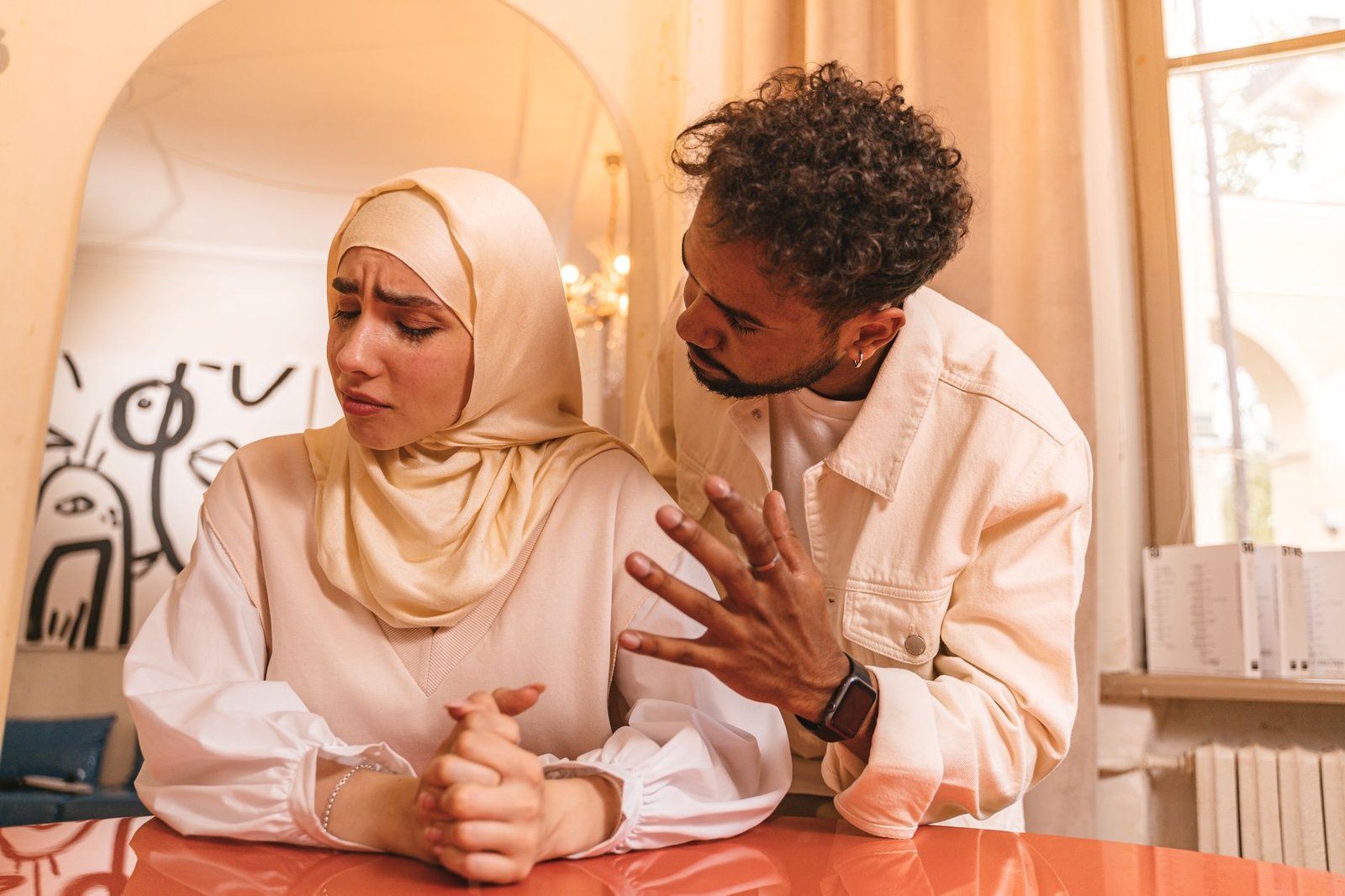
Saying sorry does not mean that you have to humiliate yourself or take the blame for something that is not your fault. Healthy accountability means taking responsibility for your actions and making things right while maintaining your self-respect.
If you both contributed to a problem, you should both take responsibility for your respective actions. A mature relationship is one where you can say sorry without feeling like you are being attacked, diminished, or criticized.
What to Do When You and Your Partner Disagree
Sometimes you and your partner may not agree on what actually happened. In these cases, focus on what you can admit to and take responsibility for.
You might say something like:
“I remember what happened differently, but I understand that my words hurt you, and I am sorry for the way I spoke.”
This shows that you care about your partner’s feelings even if your recollections differ. The purpose of saying sorry is not to rewrite history, but to take responsibility for your part in the situation.
The Importance of Being Patient
After you say sorry, give your partner time to process what happened. Do not keep asking your partner if they are okay or if they have forgiven you yet.
Instead, just be patient and continue to behave in a respectful and caring way. Sometimes the best apology is simply being consistent, attentive, and patient while your partner heals.
How Saying Sorry Can Make Your Relationship Stronger
It may seem counterintuitive, but conflicts can actually make your relationship stronger if you handle them in a constructive way. When you learn to say sorry and take responsibility for your actions, you build a much healthier dynamic.
Saying sorry teaches you that:
- You can talk about mistakes and learn from them together.
- It is safe to be vulnerable and open with each other.
- Taking responsibility for your actions builds trust.
- Your partner’s feelings are important and deserve attention.
- Communication and trust can always be improved over time.
This is why learning how to say sorry in a relationship is so important. It is not just about fixing one isolated problem, but about building a stronger, healthier bond over time.
Examples of Sincere Apologies
Here are a few examples of apologies you can use in different situations:
- After Speaking Harshly: “I am sorry for the way I spoke to you earlier. I was frustrated, but I had no right to take it out on you. You deserved respect, and I will work on controlling my reaction when I am upset.”
- After Forgetting Something Important: “I am sorry I forgot something that mattered to you. I understand why you felt disappointed. I should have made an effort to remember and show you that it was important to me.”
- After Not Listening: “I am sorry I did not listen when you were trying to talk to me. I became too focused on defending myself instead of understanding you. I want to do better and give you my full attention when we talk.”
- After Breaking a Promise: “I am sorry I did not keep my promise. I understand that this affected your trust in me. I do not expect you to forget it immediately, but I want to rebuild that trust through my actions.”
- After an Argument: “I am sorry for the part I played in our argument. I let my emotions control the way I talked to you, and I know that hurt you. I want us to handle disagreements respectfully in the future.”
Frequently Asked Questions
What is the best way to say sorry to your partner?
The best way to say sorry is to be honest and take responsibility for what you did. Explain what you did, acknowledge how it affected your partner, sincerely apologize, and state what you will do differently next time.
How do I know if my apology sounds like I mean it?
If you really mean it, you will not make excuses or try to make your partner feel bad. You will clearly state what you did wrong, acknowledge their feelings, and follow up with positive actions to make it right.
Should I say sorry even if I think my partner was also wrong?
Yes. If you did something wrong, you should apologize for your part in the situation regardless of what your partner did. You do not have to take the blame for their actions; just own your part.
How long should I wait before saying sorry?
If emotions are running high, it can be good to wait a short time to cool down before apologizing. However, do not wait too long—try to apologize before resentment builds up.
What should I not say when I am saying sorry?
Do not say things like “I’m sorry you feel that way” or “I’m sorry, but you did something wrong too.” These statements deflect blame and make your apology feel insincere.
Can saying sorry alone make things better?
Saying sorry is a vital first step, but it is rarely enough on its own. You have to back up your words by changing your behavior over time, especially if trust was severely broken.
What if my partner does not forgive me right away?
Respect their feelings and give them space. You cannot force someone to forgive you instantly, but you can demonstrate your sincerity through patience and consistent positive behavior.
Should I say sorry in a text message?
For minor slip-ups, a text message can be okay. However, for bigger fights or deep emotional issues, it is always better to apologize in person so you can communicate sincerely and fully work through it.
Conclusion:
Knowing how to say sorry to your partner makes a lasting difference in your relationship. Saying sorry is not about just finding the “right” words—it is about taking genuine responsibility and showing your partner that you care about their well-being.
The best apologies are the ones where you own what you did without getting defensive. Give your partner the time they need to process what happened, listen to what they have to say, and back up your words with actions. Every relationship faces challenges, but committing to mutual respect, accountability, and real change is what builds a stronger, healthier partnership over time.